

Grainger Nissan of Beaufort

Blog / Beaufort Nissan Service

Signs of a Bad Car Battery: When Is It Time for a Replacement?

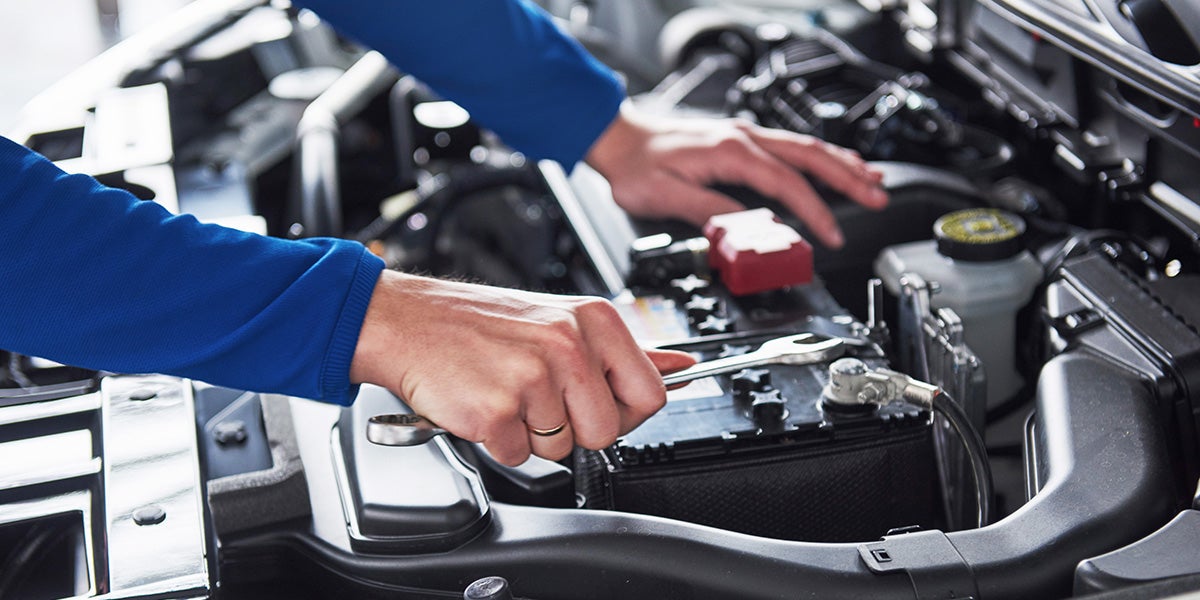
A technician using a wrench to service a car battery under an open hood.
Your car battery is one of those things you rarely think about—until it stops working. Recognizing the signs of a bad car battery early can save you from a frustrating breakdown and an unexpected tow. For drivers in Beaufort, South Carolina, staying ahead of battery trouble is especially important given the heat and humidity that can accelerate battery wear.

Common Symptoms of a Failing Car Battery

One of the most telling signs of a bad car battery is a slow or labored engine crank when you turn the key or press the start button. If your engine hesitates or sounds sluggish before it finally fires up, your battery may not be delivering enough power to the starter.

Dim headlights and interior lights are another red flag. When a battery starts losing capacity, it struggles to power your vehicle's electrical systems consistently. You might also notice that electronics like your radio, power windows, or dashboard displays behave erratically, or your headlights are dimmer.  

Frequent jump-starts are a clear symptom of a failing car battery. If you find yourself needing a jump more than once, it is time to stop relying on a quick fix and start thinking about a replacement.

How Long Does a Car Battery Typically Last?

Most car batteries last between 3 and 5 years, though driving habits, climate, and vehicle type all play a role. Extreme heat can shorten battery life significantly.

A battery warning light on your dashboard is a direct signal of a problem. While the light can point to other issues in the charging system, a battery test at a qualified service center is always a smart first step.

Other Signs of a Bad Car Battery to Watch For

Corrosion on the battery terminals (that white or bluish buildup around the cable connections) is another sign of a bad car battery that should not be ignored. It can interfere with the electrical connection and contribute to starting problems over time. A swollen or misshapen battery case is a more serious warning. This can happen when a battery has been exposed to excessive heat and is no longer functioning safely. This is one sign you don’t want to ignore. Have the battery inspected right away. A rotten egg smell near the engine bay can also indicate a leaking battery. This is caused by sulfuric acid and requires prompt attention from a service technician.

When to Schedule a Battery Inspection

If you’re experiencing any of the symptoms of a failing car battery described above, don’t wait for a complete failure when you’re stranded at the most inopportune time. Most service centers can perform a quick battery health test that tells you exactly how much life your battery has left.

It’s a good habit to have your battery checked during routine oil changes or vehicle inspections. Catching a weakening battery early is far less disruptive than getting stuck in a parking lot.
Visit Grainger Nissan of Beaufort for Expert Battery Service

Staying on top of the signs of a bad car battery is one of the simplest ways to keep your vehicle reliable. Whether your battery is showing early warning signs or has already left you stranded, the service team at Grainger Nissan of Beaufort, South Carolina is ready to help. Schedule your battery inspection or explore the full Nissan lineup on our website.
Posted in:

Related Posts

Close-up of a tool cart with drills and wrenches in a busy car repair shop, with mechanics working on vehicles in the blurred background.

Nissan Maintenance Tips Every Driver Should Know

Owning a Nissan means investing in a vehicle built for reliability and performance. Whether you drive a Rogue, Frontier, Altima, or any other model in the lineup, following a few key Nissan maintenance tips can help keep your car running smoothly for years to come. A little routine care goes a long way toward avoiding costly repairs down the road. For Beaufort, South Carolina drivers, these are little things you can do to save yourself big trouble. more Stay on Top of Oil Changes So easy to put off, but it’s one of the most important Nissan maintenance tips to keep up with—getting regular oil changes. Fresh oil lubricates your engine's moving parts and helps prevent overheating and premature wear. Check your owner's manual for the recommended interval for your specific model, since it can vary depending on the engine and driving habits. Skipping this step is one of the most common—and most avoidable—causes of long-term engine damage. Check Your Tires Regularly Tire health plays a big role in both safety and how your Nissan handles on the road. Check tire pressure at least once a month and before any long trips. Underinflated tires can reduce fuel efficiency and cause uneven wear, while overinflated tires can affect traction. Rotating your tires every 5,000 to 7,500 miles helps them wear more evenly and extends their overall life. Keep Up With Fluid Inspections Your Nissan relies on several fluids to operate correctly, including coolant, brake fluid, transmission fluid, and windshield washer fluid. Low or dirty fluids can lead to reduced performance or serious mechanical problems. Making fluid checks part of your routine Nissan maintenance tips checklist is a simple habit that can prevent big headaches. If you notice any leaks under your vehicle, have it inspected promptly. Replace Filters on Schedule Air filters and cabin air filters are easy to overlook, but they matter more than most drivers realize. A clogged engine air filter can reduce power and fuel efficiency, while a dirty cabin air filter affects the air quality inside your vehicle. Most filters should be inspected annually. The engine air filter should be replaced every 30,000 miles, and the cabin air filter every 15,000 miles or 1 year, depending on your driving environment. Drivers in Beaufort, SC, may need to check filters more frequently due to high coastal humidity. Don't Ignore Warning Lights You might want to put electrical tape over it, but it’s a mistake. Modern Nissan vehicles are equipped with advanced systems that monitor everything from engine health to tire pressure. When a warning light appears on your dashboard and makes you gasp, take it seriously. Ignoring a check engine light or low oil pressure warning can turn a minor issue into a major repair. Schedule a service visit as soon as possible to have any warning light diagnosed by a qualified technician. Visit Grainger Nissan of Beaufort for Expert Maintenance Keeping your Nissan in great shape does not require a lot of time or effort—just consistent maintenance. By following these Nissan maintenance tips, you can protect your vehicle's performance, safety, and long-term value. If you have questions about your service schedule or need help caring for your Nissan, the team at Grainger Nissan of Beaufort is here to help drivers throughout Beaufort, SC, get the most out of every mile. Schedule your next service appointment with us today.

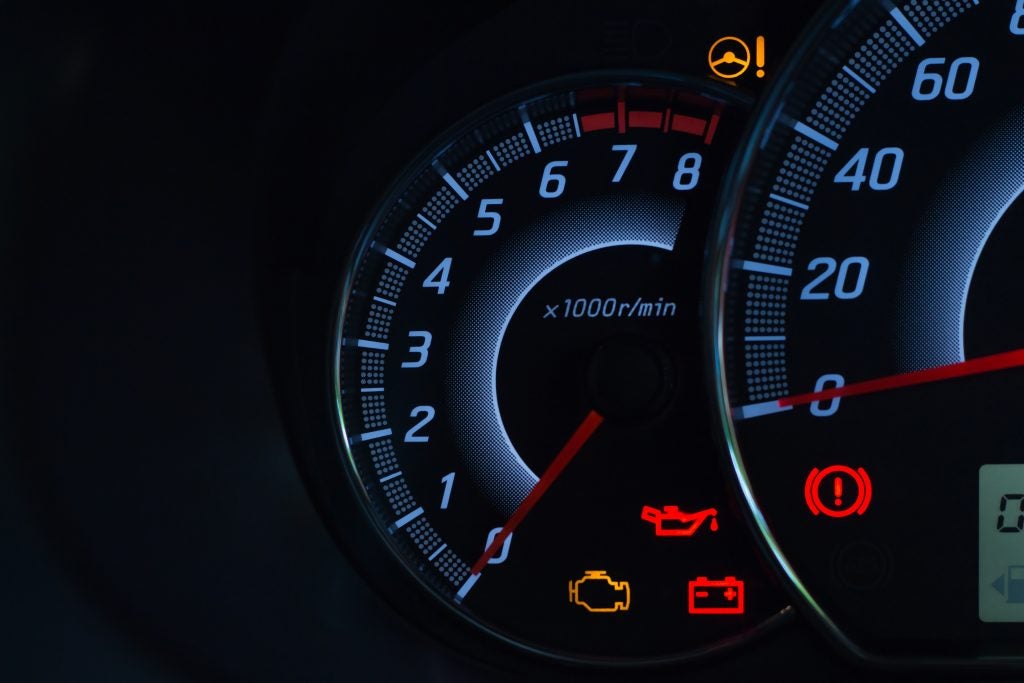
A close-up of a car's digital dashboard at night, showing the tachometer and several illuminated warning lights, including engine, battery, and oil pressure.

Why Is My Nissan ABS Light On? Understanding the Warning Signs

Seeing your Nissan ABS light turn on can be unsettling. Most drivers immediately wonder the same thing: Is my car safe to drive? The short answer is that your vehicle will usually still brake normally, but your anti-lock braking system may no longer function correctly. That matters more than many people realize, especially during sudden stops or rainy Beaufort, SC driving conditions where traction disappears quickly. If you’ve been searching “why is my Nissan ABS light on,” here’s what the warning could mean and what steps to take next. more What Your Nissan ABS Light Is Actually Telling You Your ABS, or anti-lock braking system, is designed to help prevent wheel lockup during hard braking. It works by monitoring wheel speed and automatically adjusting brake pressure when traction becomes unstable. When the ABS warning light appears on your dashboard, the system has detected a problem somewhere within that network. In most cases, your standard braking system still works. However, the anti-lock function that helps maintain steering control during emergency braking may be disabled until the issue is repaired. That’s why Nissan ABS light troubleshooting should happen sooner rather than later, especially for drivers commuting through wet coastal roads around Beaufort and the Lowcountry. Common Reasons Your Nissan ABS Light Turns On One of the most common causes is a faulty wheel speed sensor. These sensors monitor how quickly each wheel rotates and send information to the ABS control module. Dirt, corrosion, damaged wiring, or sensor failure can interrupt communication and trigger the warning light. Low brake fluid is another common issue. If brake fluid drops below the recommended level, the ABS system may not operate correctly. Drivers who delay brake service or ignore worn brake pads often run into this problem eventually. A blown ABS fuse, damaged wiring, failing ABS control module, or worn brake components can also cause the warning to appear. Drivers searching for Nissan brake service in Beaufort, SC should also know that uneven tire wear or incorrect tire pressure can sometimes confuse wheel speed readings enough to activate the ABS light as well. Is It Safe to Drive with the ABS Light On? Usually, yes. But there’s an important distinction. Your standard brakes typically still function when only the ABS warning light is illuminated. However, without anti-lock braking assistance, your vehicle may lose traction more easily during hard stops on wet roads, gravel, or slippery pavement. That becomes especially important during heavy South Carolina rainstorms where hydroplaning risks increase dramatically. If both the ABS light and brake warning light appear together, stop driving as soon as it’s safely possible and schedule Nissan brake diagnostics immediately. That combination can indicate a more serious braking system issue. Simple Things You Can Check First Before scheduling service, there are a few basic checks worth making. Start with your brake fluid reservoir. Low fluid levels are surprisingly common and can sometimes trigger ABS warnings directly. Next, inspect your tires. Uneven wear, low tire pressure, or mismatched tires can occasionally interfere with wheel speed sensor readings. Beyond that, proper Nissan ABS light troubleshooting typically requires a professional diagnostic scan. Modern Nissan vehicles rely heavily on onboard computer systems, and fault codes help technicians identify the exact source of the problem quickly. That’s why certified Nissan service departments use factory-level diagnostic tools rather than relying on guesswork. Why Prompt ABS Repairs Matter Small problems like sensor failures or fluid issues can eventually develop into larger brake system concerns if ignored long enough. Addressing the warning early often reduces repair costs while helping maintain safer braking performance long term. Drivers keeping up with regular Nissan brake inspections, brake fluid service, tire rotations, and multipoint inspections often catch ABS-related problems before they become more serious. That’s especially valuable for vehicles regularly exposed to coastal humidity, rain, and stop-and-go traffic throughout Beaufort, Bluffton, and Hilton Head-area driving. Get Expert Nissan ABS Diagnostics in Beaufort, SC If your ABS warning light stays on, the smartest next step is having the system inspected professionally. At Grainger Nissan of Beaufort, certified technicians can perform complete Nissan system repairs using manufacturer-approved equipment and genuine Nissan parts.

Nissan Service Advisor with Customer

What Does Nissan Powertrain Warranty Cover? A Simple Guide for Buyers

If you're shopping for a new Nissan and wondering what the Nissan powertrain warranty covers, you're asking exactly the right question. Understanding your warranty before you buy gives you peace of mind and helps you make a more informed decision. Whether you're eyeing the 2026 Nissan Rogue, the rugged Frontier, or the long-trusted Sentra for your adventures around Beaufort, South Carolina, knowing what's protected under the powertrain warranty is an important part of the ownership experience. more What Does Nissan Powertrain Warranty Cover? Nissan's powertrain warranty is one of the most straightforward protections included with every new vehicle purchase. It covers the core mechanical components that make your vehicle move, which includes the engine, transmission, and drivetrain. These are the parts that work the hardest every single day, so having them covered provides real value over the life of your vehicle. Nissan's powertrain warranty typically lasts for 5 years or 60,000 miles, whichever comes first. This applies to new Nissan vehicles and covers defects in materials or workmanship in the covered components. It's worth noting that routine maintenance items and wear-and-tear parts such as brake pads or filters aren’t included, but the major mechanical systems that power your vehicle are protected. Key Components Typically Covered When you ask, “What does Nissan powertrain warranty cover in terms of specific parts?”, the answer includes the engine block and all internal parts, the cylinder head and all internal components, the transmission case and all internal parts, front-wheel-drive and all-wheel-drive components, and the transfer case. For Nissan models with available all-wheel drive, like the 2026 Rogue, the 2026 Pathfinder, and the 2026 Murano, the AWD system components are also covered under this warranty. That added protection makes all-weather capability even more appealing for drivers in Beaufort, South Carolina, who want a vehicle ready for any road condition. How the Powertrain Warranty Works With Other Nissan Coverage Nissan's powertrain warranty works alongside a broader limited warranty. New Nissan vehicles come with a 3-year/36,000-mile bumper-to-bumper limited warranty that covers most vehicle systems and components. The powertrain warranty then extends that protection further, specifically for the engine, transmission, and drivetrain, giving you an additional layer of coverage as your vehicle ages. For buyers considering the 2026 Nissan LEAF or the 2026 Rogue Plug-in Hybrid (PHEV), it's also worth knowing that Nissan offers separate coverage for high-voltage battery components in its electrified vehicles. That coverage is handled independently from the standard powertrain warranty, so be sure to ask about the specific terms for those models when you're ready to explore your options. Tips for Keeping Your Warranty Valid Understanding what does Nissan powertrain warranty cover also means knowing how to keep that coverage intact. The most important step is staying current with your recommended maintenance schedule. Using a certified Nissan service center for oil changes, fluid checks, and inspections helps ensure that your vehicle remains in good standing under the warranty terms. Keeping records of your service visits is a smart habit, too. If a warranty claim ever comes up, having documentation that shows your vehicle was properly maintained can make the process much smoother. Nissan's warranty is designed to protect you, but proper care is the other side of that agreement. So, What Does the Nissan Powertrain Warranty Cover? In short, it covers the most critical components of your vehicle—the engine, transmission, and drivetrain—for 5 years or 60,000 miles. That protection, combined with Nissan's broader limited warranty, makes buying a new Nissan a well-supported investment. If you're ready to explore the 2026 Nissan lineup and learn more about warranty coverage, stop by and see the team serving drivers throughout Beaufort, SC, or visit our website to get started today.